When water enters a home or commercial property, removing the visible water is only the beginning of the restoration process. Moisture can travel into walls, flooring, insulation, and other building materials, creating hidden problems that may not be immediately noticeable.
Professional structural drying plays an important role in restoring affected properties and helping prevent ongoing moisture-related issues.
Water Can Travel Further Than You Think
Water doesn’t always stay where it first enters a property. Depending on the source and amount of water, moisture can spread underneath flooring, along baseboards, through drywall, and into surrounding structural materials.
Even when floors appear dry and surfaces no longer feel wet, moisture may still be present beneath the surface.
Without proper assessment, these hidden areas can remain damp long after the initial incident.
The Role of Professional Drying Equipment
Structural drying involves using specialized equipment to remove moisture from affected areas and materials.
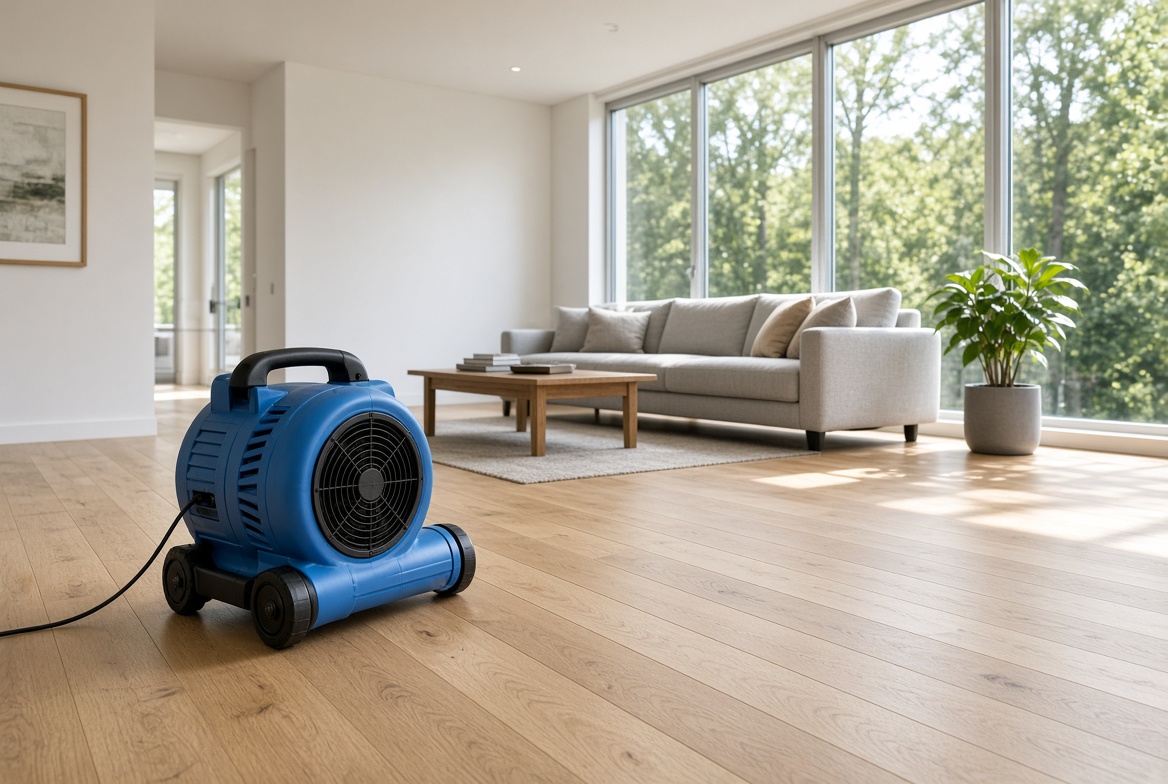
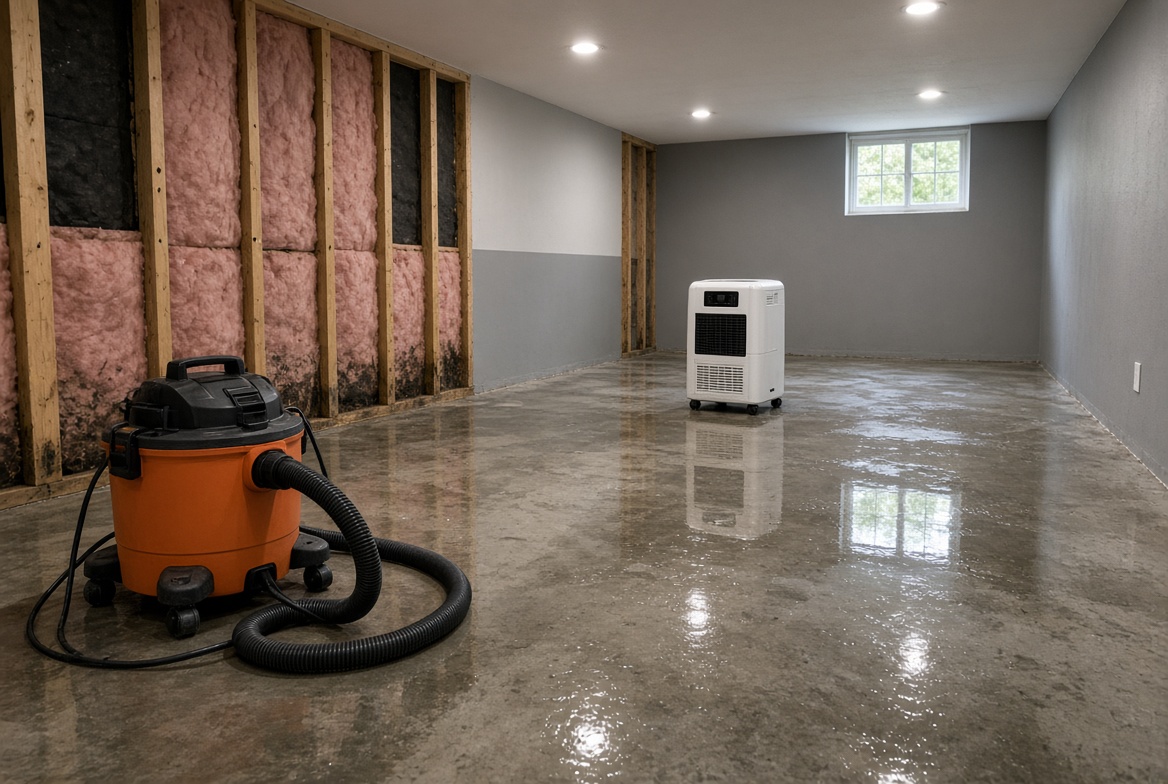
Air movers help circulate air across wet surfaces, encouraging evaporation. Commercial dehumidifiers then collect moisture from the surrounding air, helping create an environment that supports continued drying.
The combination of these tools allows restoration professionals to address moisture throughout the affected space rather than simply drying what is visible.
Why Moisture Monitoring Matters
Every water damage situation is different. Building materials, room conditions, ventilation, and the amount of water involved can all influence how long drying takes.
Moisture monitoring helps restoration professionals evaluate drying progress and identify areas that may require additional attention.
Rather than relying on appearance alone, moisture readings provide a better understanding of whether affected materials have reached appropriate drying conditions.
When Materials Need to Be Removed
Not every material can be successfully dried and restored. Depending on the severity of the damage, certain flooring, drywall, insulation, or other materials may need to be removed.
Removing heavily damaged materials can help expose hidden moisture and allow affected areas to be properly addressed before repairs begin.
A Critical Step Toward Complete Restoration
Structural drying is an essential part of many water damage restoration projects. Taking the time to properly assess, dry, and monitor affected areas helps establish a suitable foundation for the next stages of restoration.
Once drying is complete, the property can move forward with necessary repairs, flooring installation, painting, and other finishing work to bring the space back to a functional condition.